Home / Section / Current page
Loading detail page title placeholder
Loading detail page summary placeholder text.
Primary actionSecondary action
Daniyal Chishti
AI has moved from an experiment to an everyday tool in recruitment. In January 2026, LinkedIn reported that 93% of recruiters planned to increase their use of AI this year, and 59% said AI was already helping them find candidates they would otherwise have missed. Used well, AI saves time and widens the talent pool. Used badly, it can frustrate candidates and create legal and reputational risk. This guide explains how AI recruiting works in 2026 and how to use it responsibly.
AI learns from past data. If past hiring was biased, the tool can repeat that bias. Test tools regularly and check results for different groups of candidates.
A Gartner survey published in July 2025 found that only 26% of job applicants trust AI to evaluate them fairly. In Saudi Arabia, a LinkedIn survey from November 2025 found that 51% of job seekers felt AI made it harder to get noticed. Being open about how AI is used helps.
Candidates also use AI. Gartner predicts that by 2028, one in four candidate profiles worldwide will be fake. Identity checks, live interviews and reference checks are becoming more important.
Many organisations have adopted AI faster than they have set rules for it. An April 2026 iCIMS study of US talent leaders found that 45% had no formal AI governance. Clear policies on data, decisions and human review are essential, along with compliance with data protection laws such as the UAE’s Personal Data Protection Law.
Demand for AI skills is rising fast in the region. PwC’s 2026 AI Jobs Barometer found that the share of UAE job postings asking for AI skills rose from 1.0% in 2021 to 3.2% in 2025. At the same time, recruiters in the region are adopting AI quickly: LinkedIn research reported in January 2026 found that 47% of UAE recruiters said they could not do their job without AI. For more on what this means for hiring this year, read our 2026 hiring trends guide.
TASC combines technology with experienced recruiters to help employers across the UAE and Saudi Arabia hire faster and better. Explore our recruitment process outsourcing and AI and data recruitment services, or talk to us.
No. AI handles repetitive tasks, but people are still needed to assess fit, advise hiring managers, build relationships and make decisions.
Yes, but employers must protect candidate data under the UAE’s data protection rules and should make sure decisions are fair and reviewed by people.
This article was last updated in November 2026. Figures are taken from the sources named in the text.
Get monthly emails with key insights on trends, compliance, and staffing tailored for your workforce or business setup.
One email a month — trends, compliance updates, and staffing intelligence for the UAE and KSA.

Qatar is investing heavily in a more diverse, knowledge-based economy. Its Third National Development Strategy for 2024 to 2030 aims to raise the share of skilled workers to 46% of the workforce and to have more than 20% of Qataris working in the private and mixed sectors. As businesses grow and compete for skills, many […]
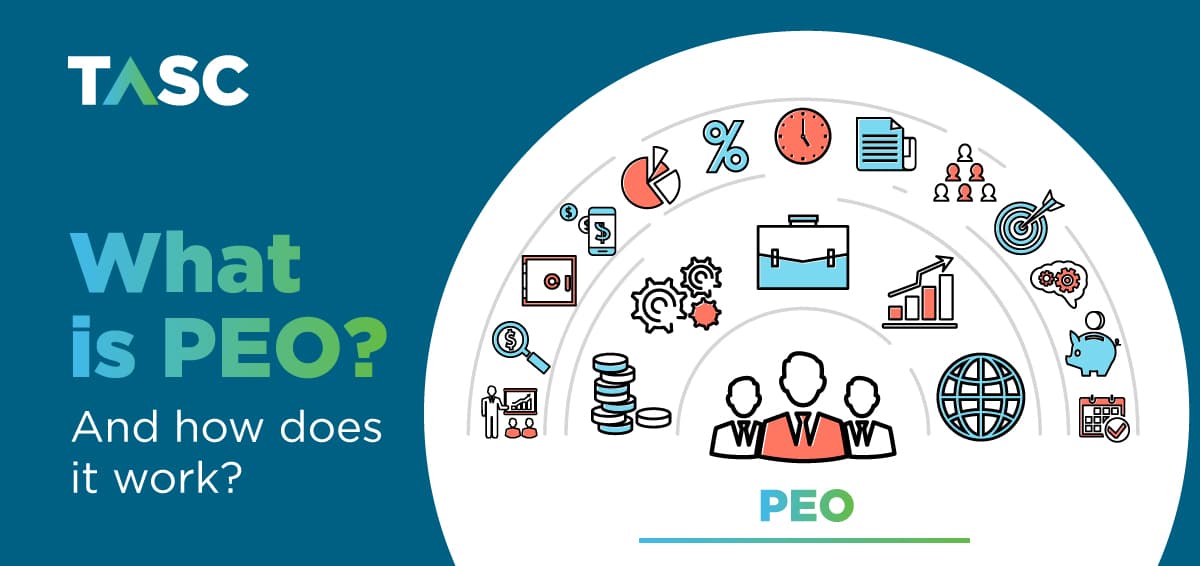
Hiring people in a new country usually means setting up a local company, registering with the authorities and building payroll and HR processes from scratch. A Professional Employer Organisation (PEO), often called an Employer of Record (EOR), lets you skip most of that. This guide explains what a PEO is, how it works in the […]
Every business in Dubai deals with government processes: licences, visas, work permits, Emirates IDs, attestations and renewals. A Public Relations Officer (PRO) handles these on the company’s behalf. Whether you are setting up a new business or running an established one, good PRO support saves time and keeps you compliant. This guide explains what PRO […]
TASC works with organisations that hold themselves to a high standard — where workforce performance directly shapes business outcomes.
Phone
+971 4 358 8500
info@tascoutsourcing.com
Location
Dubai, UAE
Response Time
Within 24 hours