Home / Section / Current page
Loading detail page title placeholder
Loading detail page summary placeholder text.
Primary actionSecondary action
Daniyal Chishti
Hiring in the UAE and Saudi Arabia is still growing in 2026, but it looks different from a year or two ago. Employers are more selective, AI is changing how candidates are found and screened, and localisation targets are tightening in both countries. Recruiters who understand these shifts will fill roles faster and keep their best people longer.
Here are the trends that matter most this year, and what they mean for your hiring plans.
Demand for talent remains healthy. In a Cooper Fitch survey of more than 1,000 organisations in the region, published in December 2025, around 48% said they planned to hire more people in 2026. LinkedIn data shows Saudi hiring rose 4.5% quarter on quarter in Q4 2025, with the UAE up 2.5%.
Growth is strongest in construction, technology, energy, and aviation, defence and aerospace, driven by giga-projects, infrastructure spending and national diversification plans. At the same time, employers are adding headcount carefully and want clear evidence that each hire will add value.
Employers want people who can work with AI. PwC’s 2026 AI Jobs Barometer found that the share of UAE job postings asking for AI skills rose from 1.0% in 2021 to 3.2% in 2025, about 12,200 postings, moving the UAE from 21st to 13th place globally. Demand is highest in financial services and in technology, media and telecoms.
AI is also changing the recruiting process itself. In a LinkedIn and Censuswide survey from November 2025, 85% of Saudi recruiters said AI helps them hire faster. But candidates have mixed feelings: 51% of Saudi job seekers said AI makes it harder to get noticed, and 74% of recruiters said AI-led interviews can feel impersonal.
Many people are open to a move: 73% of Saudi job seekers in the LinkedIn survey planned to look for a new job, yet 65% said finding one has become harder. A common complaint is the process itself, with 76% saying there are too many hiring stages. Meanwhile, 44% of recruiters said suitable talent is harder to find.
Long, slow processes lose good candidates to faster competitors.
UAE: Private sector companies with 50 or more employees must increase Emiratis in skilled roles by 2% each year. For 2026, the second half-year target of 1% must be met by 31 December 2026. The Nafis programme, which supports Emirati employment in the private sector, has been extended to 2040, so these targets are here to stay.
Saudi Arabia: Saudisation continues to expand. The Ministry of Human Resources and Social Development is localising 69 administrative job types, including many HR and recruitment roles. The Nitaqat programme has localised around 550,000 jobs over the past three years. Read our guide on the 69 Saudised admin roles and what your HR team needs to do.
Broad pay rises look unlikely in 2026. The Cooper Fitch survey suggests increases will focus on roles in high demand, such as AI, automation and sales. In Saudi Arabia, the salary premium needed to attract expatriate talent has fallen to around 5 to 10%, down from about 25% a few years ago, as more people relocate and the local talent pool grows.
Local experience matters more than ever. Candidates who already understand GCC regulations, markets and working culture can often get up to speed faster, and many employers now treat this as a deciding factor.
More employers are hiring for skills rather than job titles or degrees alone. This widens the talent pool and helps fill roles where experienced candidates are scarce. It works best when paired with structured onboarding and ongoing learning, so new hires can close gaps quickly and existing staff can move into new roles.
TASC supports employers across the UAE and Saudi Arabia, with access to a large pool of pre-screened candidates and deep knowledge of local regulations. Whether you need to fill specialist roles, meet Emiratisation or Saudisation targets, or scale hiring through a dedicated team, we can help:
Talk to our team about your 2026 hiring plans.
Construction, technology, energy, and aviation, defence and aerospace are seeing the strongest growth, supported by infrastructure projects and national diversification plans.
Companies with 50 or more employees must increase Emiratis in skilled roles by 2% a year. The second half of the 2026 target, 1%, must be met by 31 December 2026.
Broad pay rises are unlikely. Increases are expected mainly in high-demand areas such as AI, automation and sales. In Saudi Arabia, the premium needed to attract expatriates has fallen to around 5 to 10%.
Most Saudi recruiters say AI helps them hire faster, especially for sourcing and screening. But many candidates say AI makes it harder to stand out, so the best approach combines AI tools with personal contact and human decisions.
This article was last updated in November 2026. Figures are taken from the sources named in the text.
Get monthly emails with key insights on trends, compliance, and staffing tailored for your workforce or business setup.
One email a month — trends, compliance updates, and staffing intelligence for the UAE and KSA.

Qatar is investing heavily in a more diverse, knowledge-based economy. Its Third National Development Strategy for 2024 to 2030 aims to raise the share of skilled workers to 46% of the workforce and to have more than 20% of Qataris working in the private and mixed sectors. As businesses grow and compete for skills, many […]
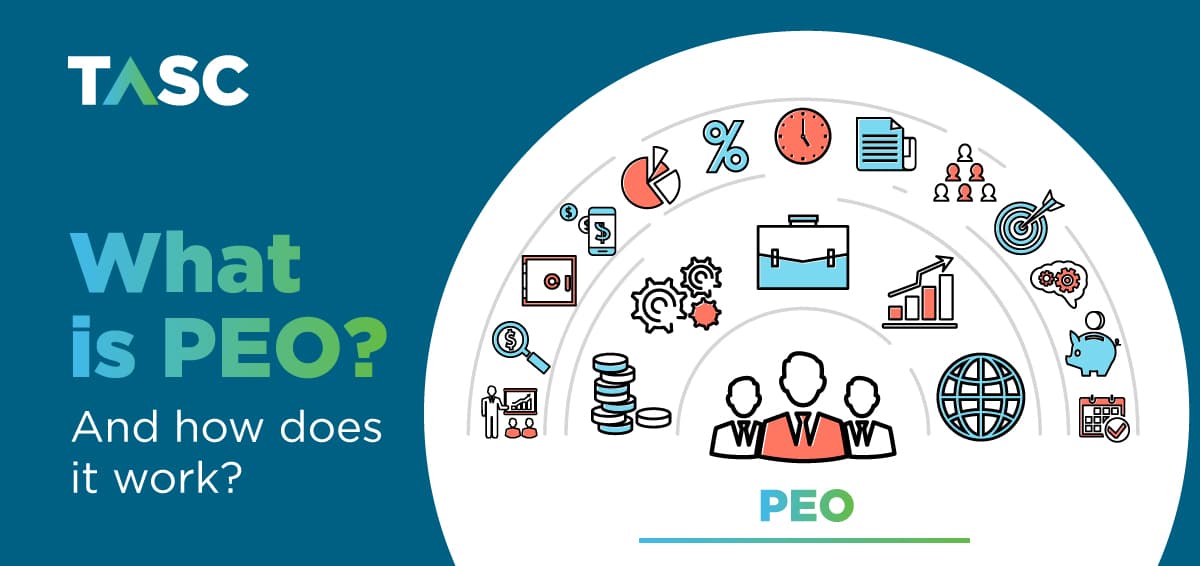
Hiring people in a new country usually means setting up a local company, registering with the authorities and building payroll and HR processes from scratch. A Professional Employer Organisation (PEO), often called an Employer of Record (EOR), lets you skip most of that. This guide explains what a PEO is, how it works in the […]
Every business in Dubai deals with government processes: licences, visas, work permits, Emirates IDs, attestations and renewals. A Public Relations Officer (PRO) handles these on the company’s behalf. Whether you are setting up a new business or running an established one, good PRO support saves time and keeps you compliant. This guide explains what PRO […]
TASC works with organisations that hold themselves to a high standard — where workforce performance directly shapes business outcomes.
Phone
+971 4 358 8500
info@tascoutsourcing.com
Location
Dubai, UAE
Response Time
Within 24 hours